.jpg)
Update as of November 13, 2025: Major League Soccer has since confirmed this news.
Major League Soccer could be heading toward one of the biggest structural shifts in its history.
According to The Athletic, MLS owners are expected to vote Thursday on two major changes to the league’s setup — one of which is a move to a fall-to-spring calendar, aligning with many top European leagues.
The report notes that, barring any last-minute changes, the league’s board of governors is prepared to make the switch official. MLS is approaching the point where it must decide if it intends to implement the new schedule in time for the 2027 season, as clubs will need time to adjust sponsorship, commercial, and ticketing plans around the change.
Under the proposed format, the MLS regular season would run from mid-to-late July or August through April, followed by playoffs in May. The league would take a winter break spanning roughly mid-December to early or late February to avoid the Super Bowl weekend, while also observing a shorter summer break in June and July.
At the MLS All-Star game during the summer, league commissioner Don Garber said 'We believe that that alignment is something that makes sense.'
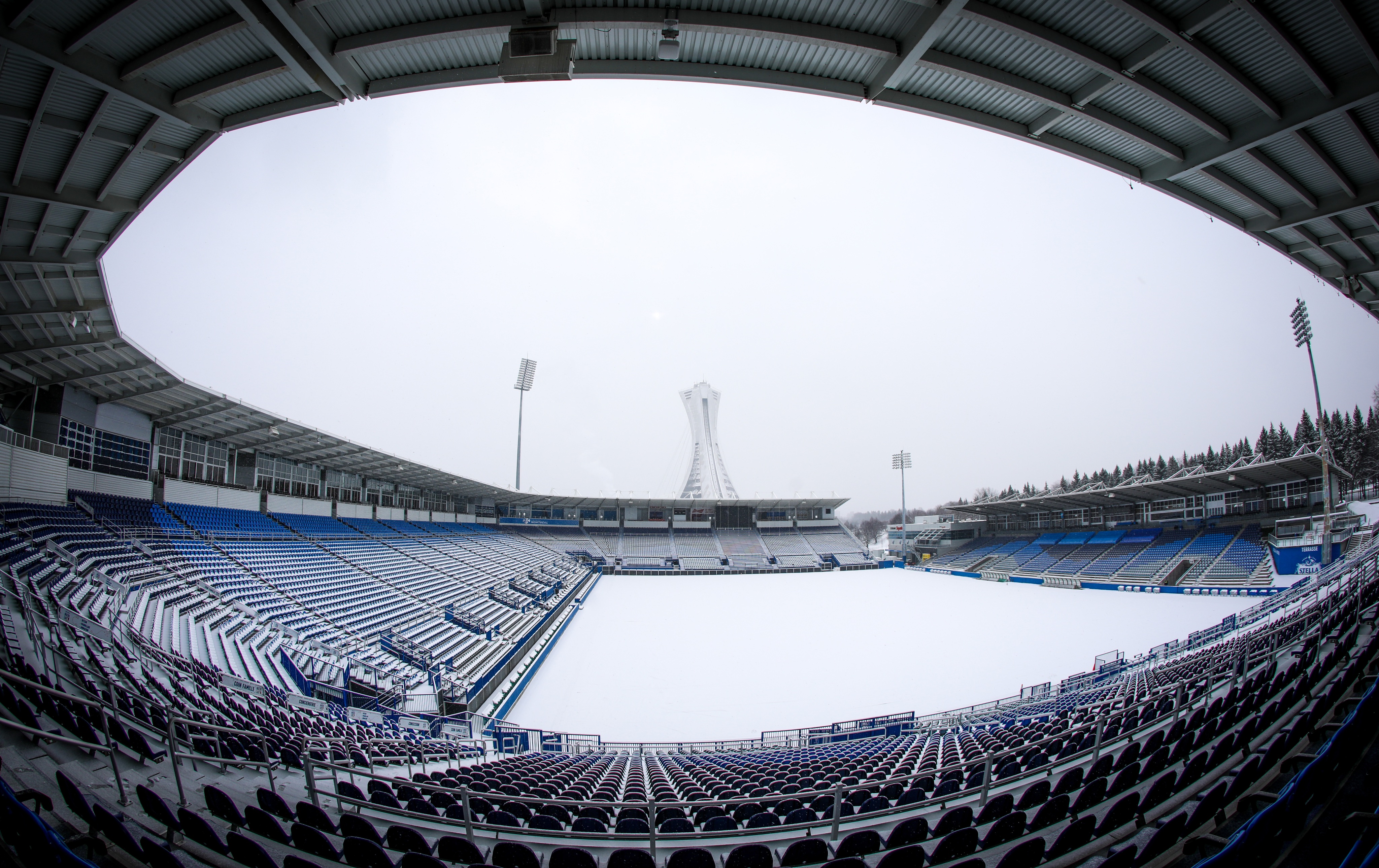
A switch to a fall-spring calendar would present significant challenges for the league’s northern clubs, particularly two Canadian sides and teams like Minnesota United.
Montreal, for example, regularly faces sub-zero temperatures in the early months of the year, with averages dipping to around -11 °C. Stade Saputo, the club’s home ground, isn’t winterized and lacks running water during the coldest months, making home matches there virtually impossible from late November through early April.
This past season, CF Montréal opened with seven consecutive away games before finally playing at home in mid-April.
Montreal’s backup venue, the Stade Olympique, won’t be a short-term solution either. The stadium — which has a fixed roof that allows for winter matches — is currently undergoing a full roof replacement and isn’t expected to be ready until at least 2028.
In Toronto, winters are slightly milder but still challenging, with average temperatures dipping to around -6 °C in the early months of the year.
For the Vancouver Whitecaps, weather wouldn’t be an issue. BC Place’s retractable roof allows matches to be played year-round, meaning the proposed calendar change would have little to no impact on their schedule or matchday conditions.
As an example of what northern MLS cities could face, the 2025 Canadian Premier League final was played in extreme snow conditions in mid-November. The match, which saw Atlético Ottawa defeat Cavalry 2-1, featured multiple delays to clear the pitch and a bicycle-kick goal that went viral worldwide.
The Northern Super League had to postpone the semi-final match between AFC Toronto and Montréal Roses due to snow accumulation on the pitch, and eventually played the match the following day.

A change to the regular season format?
In addition to the calendar change, MLS owners are also set to vote on a revamped regular season format.
According to The Athletic, the plan would see the league move to a single-table structure, complemented by five regionalized divisions of six teams each, replacing the current two-conference setup.
Under this format, clubs would play home and away against divisional opponents (10 matches) and face every other team once (24 matches), keeping the total at 34 games. This setup would ensure that every MLS team meets at least once per season — something that’s been missing in recent years due to expansion.
The top team in each division would automatically qualify for the playoffs, though most would likely already make it through the single-table standings. The postseason format is still under discussion, but The Athletic reports that one of the ideas being considered is similar to the Canadian Premier League’s structure, where higher-ranked teams play each other first, and the loser gets a second chance against lower-seeded sides.
How does this impact the Canadian Premier League and the Canadian Championship?
For the CPL, it means more visibility during the summer, particularly for the three clubs that share a metropolitan area with MLS clubs — Vancouver FC, York United, and expansion club FC Supra.
As stated by The Athletic, a calendar change would affect the two annual transfer windows. Since these impact all men's professional clubs in the country — regardless of league — the three Canadian MLS clubs, the Canadian Premier League, and Canada Soccer would have to agree on dates. Typically, the longer window of the two lasts about 12 weeks and opens before the season starts, overlapping into the first few weeks. The mid-season windows last about a month.
An MLS calendar switch would likely change the transfer window dates in Canada, with MLS teams likely preferring the longer window to open in summer, while CPL clubs would prefer it in January, as it currently stands.
The Canadian Championship would also likely need to adjust its schedule, with games taking place in May, June, and July, coinciding with MLS’s planned summer break.