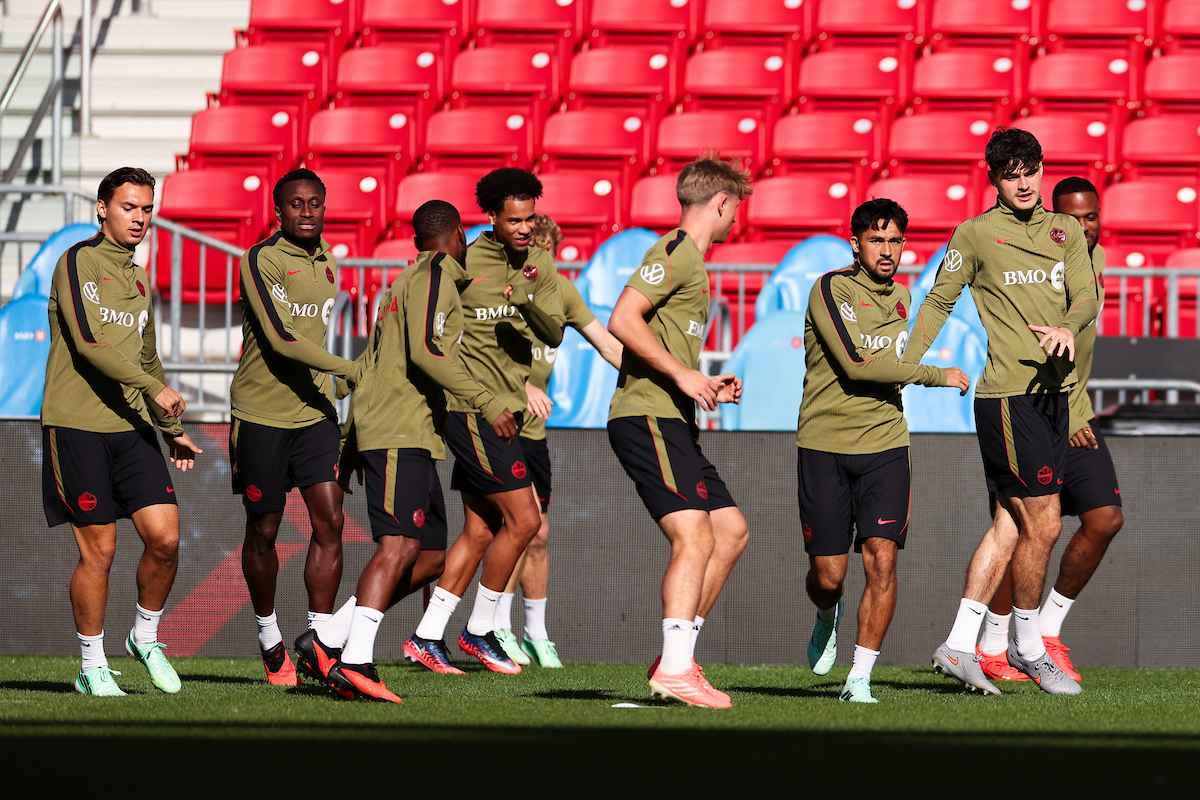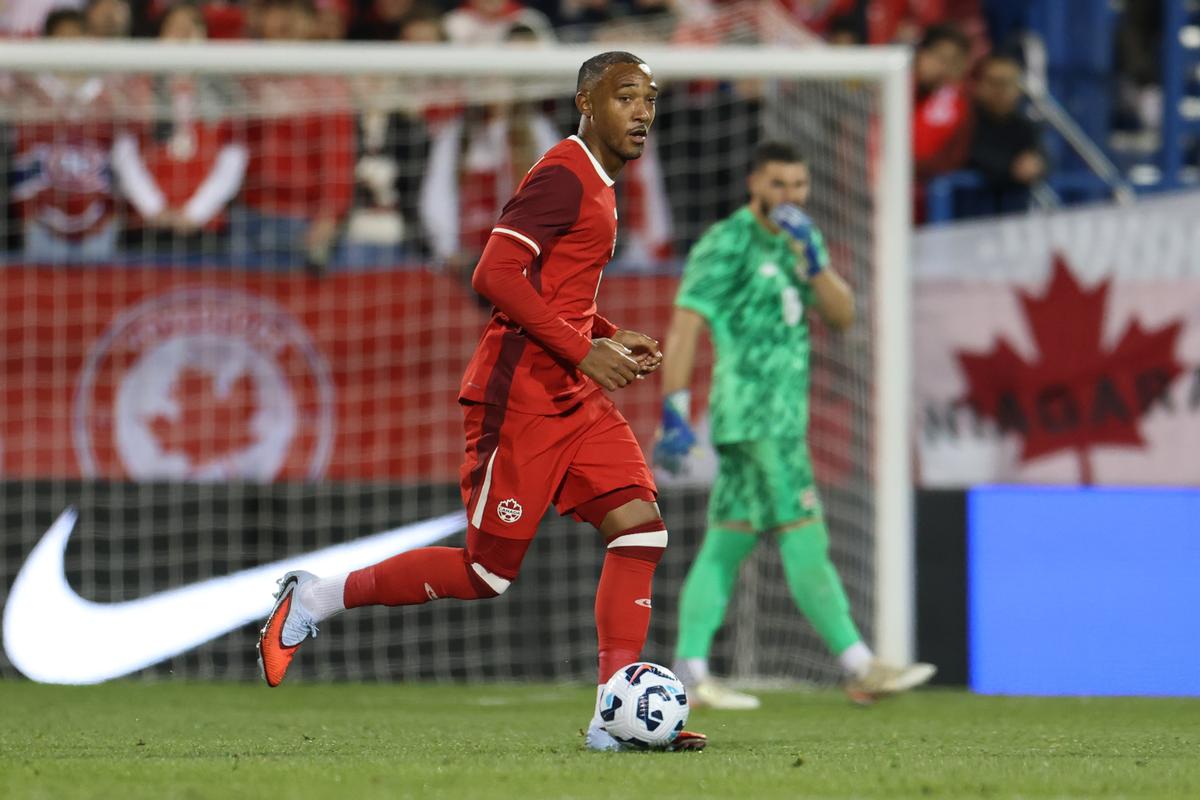
Canada's March international window has come and gone. So what did we learn?
Both games against Tunisia and Iceland told a similar story. Canada showed some encouraging ball movement in the final third but were sorely lacking a clinical edge in front of goal. The midfield failed to dominate the middle of the park in any meaningful way, though they were never decisively overrun either. The makeshift back line performed reasonably well overall, with the notable exception of a handful of costly errors, some of which led directly to goals conceded.
The constant rotation of the lineup, partly forced by injury, has made it difficult to build chemistry in key areas of the pitch. The midfield and centre-back changes are largely unavoidable given the injury and suspension issues, but the same cannot be said for the striker rotation. It is hard to come away convinced that the revolving door of strike partners alongside Jonathan David has done either the team or the player any favours.
There may be some frustration creeping into the squad as Marsch's tactical plans have yet to produce the offensive results expected, namely, more goals. On the other hand, the defence, despite being severely depleted, kept a clean sheet against Tunisia, and against Iceland, aside from two glaring mistakes from a second and third-choice defensive line, they conceded just a single shot. Solving the offensive rut remains Marsch's most pressing challenge.
.jpg)
Neither Dayne St. Clair nor Maxime Crépeau did much to resolve their two-horse race for the starting goalkeeper spot at the World Cup, with both managing just a single save in their respective games.
St. Clair conceded twice, though neither goal could reasonably be laid at his feet, with both coming after horrendous defensive errors left him exposed to breakaways. Crépeau found himself in similarly helpless situations due to defensive miscues, though he was bailed out by Liam Millar's remarkable last-gasp sprint and shot block that prevented what looked a certain goal. With little to separate the two from these performances, the competition looks set to be settled by their club form over the final two months of the season.
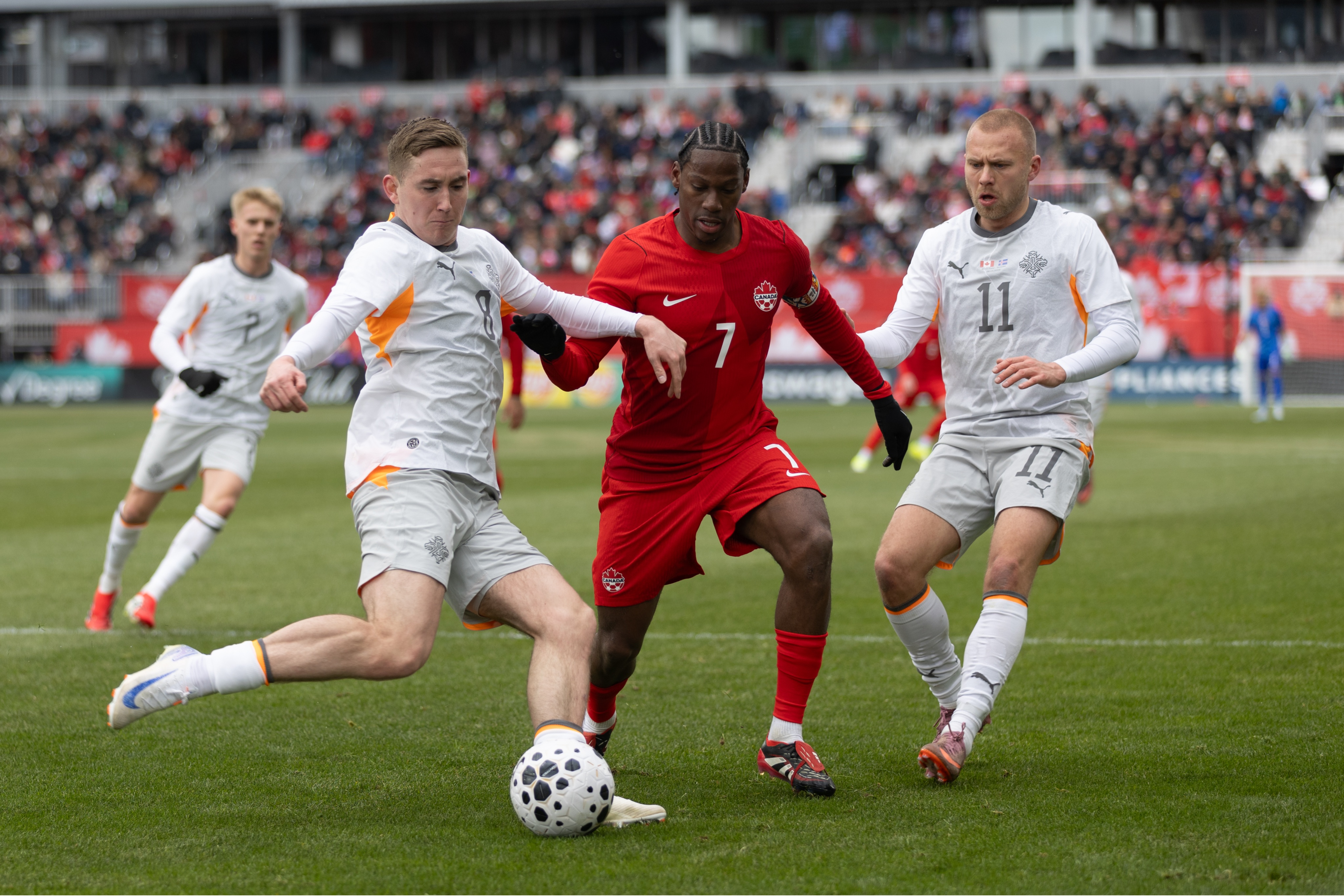
Questions have again been raised over Canada's squad depth, though the concerns may be somewhat overblown. Being without arguably six sure starters across both games was far from ideal, and while losing two or three key players from the starting XI is manageable for most sides, fielding less than half of the first-choice lineup proved too great a challenge. In fairness, most national teams would struggle under similar circumstances. The bottom line is that Canada needs the bulk of their healthy players back and available.
Ahead of the Iceland game, I outlined three keys for Canada to succeed this window and beyond: seeing out games without conceding late goals, set-piece efficacy, and breaking down an expected low block.
Not conceding late goals
Seeing out games without conceding late was an area where Canada passed the test this window. They kept a clean sheet against Tunisia, and Iceland's goals came early in the contest rather than in the closing stages.
Notably, after Tajon Buchanan's expulsion left Canada with ten men in the 80th minute against Iceland, the side did a remarkable job of closing out the match. The final 15 minutes has been a problematic period for Canada for some time, but on this occasion they conceded just one shot on goal, which Dayne St. Clair turned away comfortably.
Set-piece efficacy
Jonathan David's two well-taken penalties against Iceland aside, set pieces proved problematic for Canada this window. What had been developing into a reliable weapon in Canada's arsenal since the arrival of Nicholas Gagnon in early 2025 was a disappointment over the past week.
Even the best sides with the best delivery will not score from every set piece, but they usually look threatening on most attempts. Despite a heavy advantage in corners given, 17 across both matches, and several direct free kick opportunities, Canada never looked like scoring from a dead ball situation against either Iceland or Tunisia. Mathieu Choinière's first-half attempt against Iceland was the most promising, but it drifted well wide.
The importance of converting set pieces cannot be understated come the World Cup in June. Goals from open play will be harder to come by against the quality of opposition Canada will face, making dead-ball situations all the more valuable. Canada has shown improvement in this area over the past year, but this window was a step back, and it will need to be an area of renewed focus going forward.
Breaking a low block
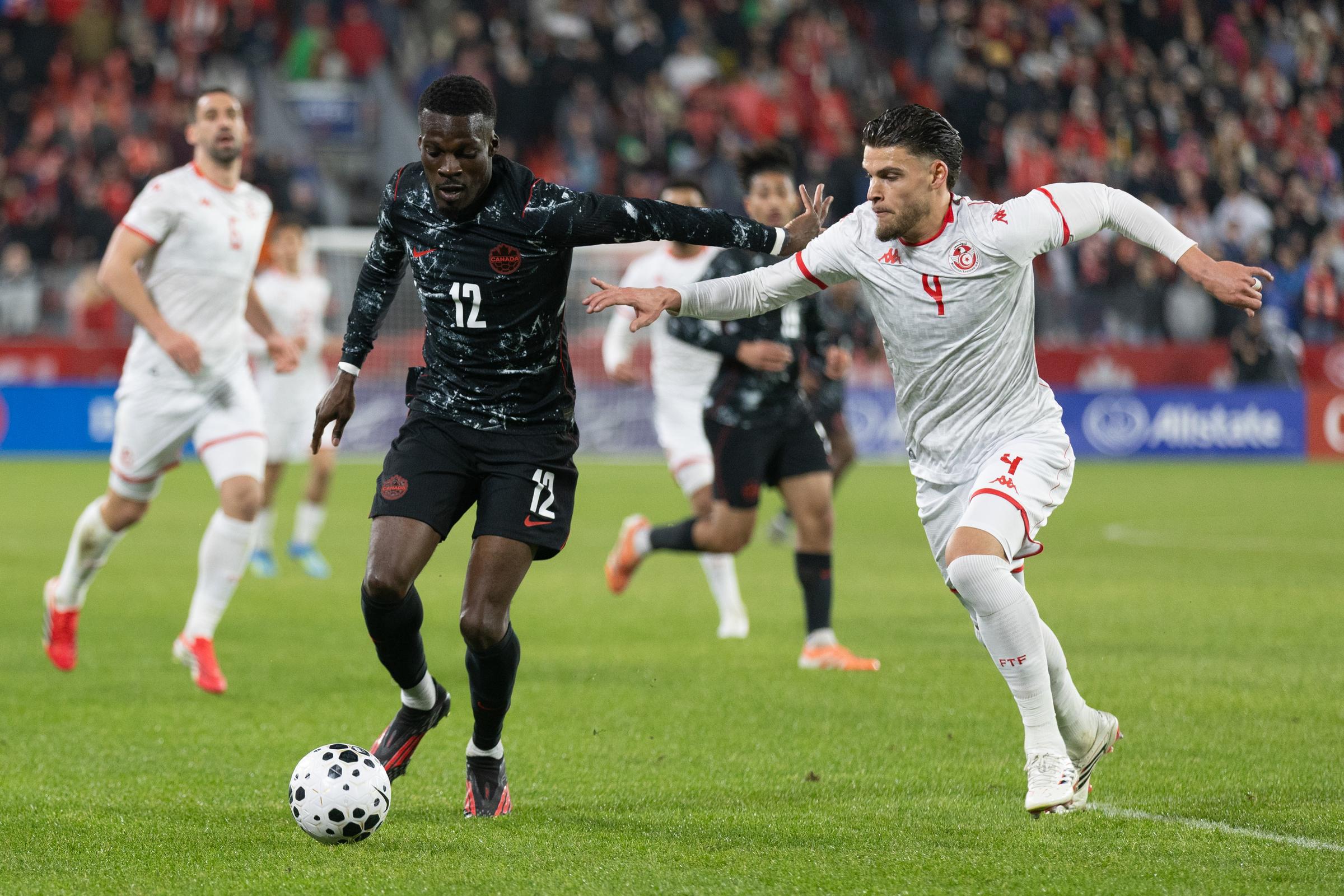
Breaking down a low block remains the number one priority for Jesse Marsch and the CanMNT, and unfortunately, his approach this window resembled a team going through the same motions they have been for the past year. The only noticeable change was the introduction of Marcelo Flores, who showed some promising movement with and without the ball, but whose efforts ultimately could not provide the key to unlocking a stubborn defensive block.
Canada's attack is built around Jonathan David, the program's all-time leading scorer, yet time and again, he found himself closely marked and unable to find the open spaces he usually exploits. Part of this comes down to the performances of his strike partner, and the constant rotation of who fills that role may be contributing to the problem. In this window, he was paired with Cyle Larin against Iceland and Tani Oluwaseyi against Tunisia.
Aside from a few early chances from Oluwaseyi, there was insufficient movement and link-up play to prevent David from being marked out of the game. He was notably more active and dangerous against Iceland, with Larin drawing defenders and creating space, yet neither could find the net in open play against a disciplined Icelandic defence.

The introduction of Marcelo Flores brought some life to Canada's forays in the final third. The diminutive attacker from Georgetown, Ontario offered a ball control skill set in tight spaces that was a welcome addition, bringing a flair not widely seen within the squad. Ultimately, a lack of familiarity between Flores and his new teammates meant the final product remained elusive.
While goals were still hard to come by, there were hints of what might be to come. Canadian expectations may need to be tempered until Flores and his teammates get on the same page. Until then, breaking down a low block remains a safe that the CanMNT have yet to crack.
The #CanMNT generated just 1.625 non-penalty xG on 27 shots in this March window (via OPTA) - that's 0.06 xG per shot😬
— Alexandre Gangué-Ruzic (@AlexGangueRuzic) April 1, 2026
They also only completed 11/45 crosses (24%)
The low block woes continue for Canada
Several players earned their first official caps for Canada this past week, among them Ralph Priso, Marcelo Flores, and Jahkeele Marshall-Rutty. Introducing new players this close to a World Cup hints at a degree of desperation, though injuries have forced Marsch's hand. The need to solve a team-wide scoring slump, however, is a more troubling concern that cannot be so easily explained away.
Rather than fine-tuning ahead of the summer tournament, Canada spent the window plugging holes in a depleted defence and searching for answers in an attack that has gone cold. This window was supposed to provide clarity, but Canada finish it with more questions than when they started, or at the very least, the same ones left unanswered.