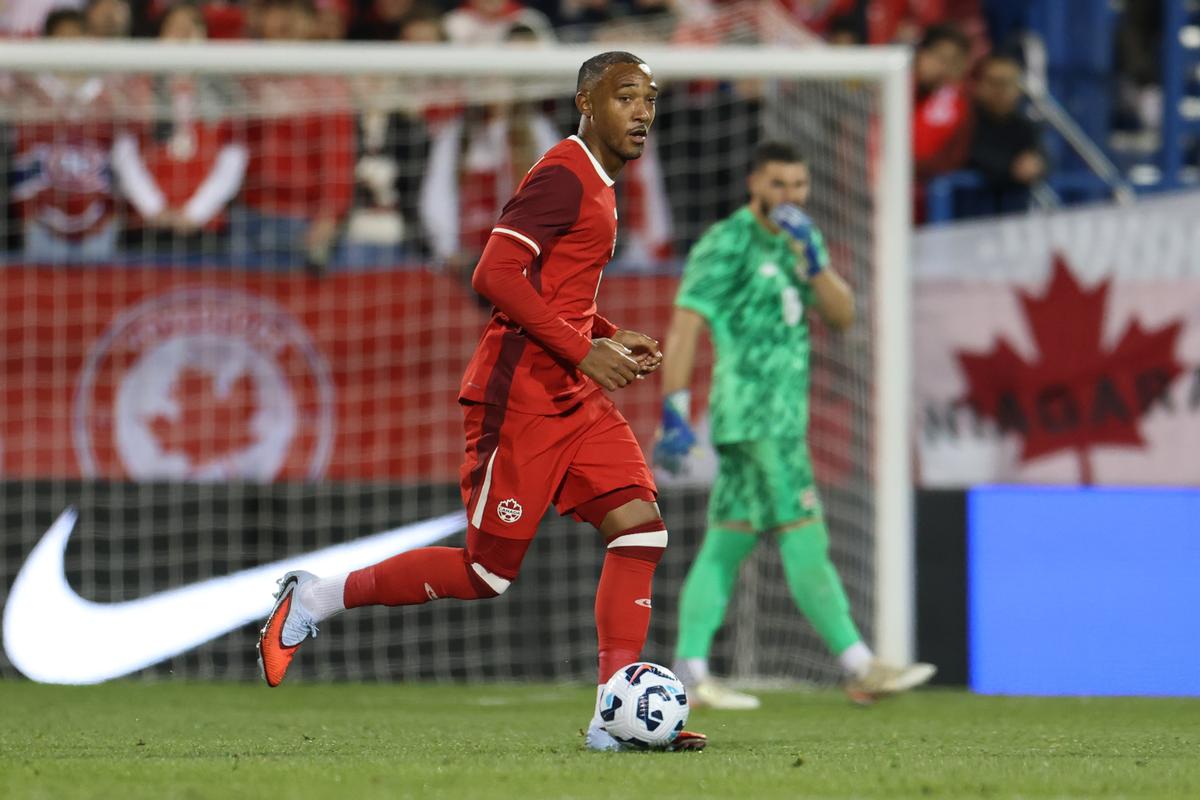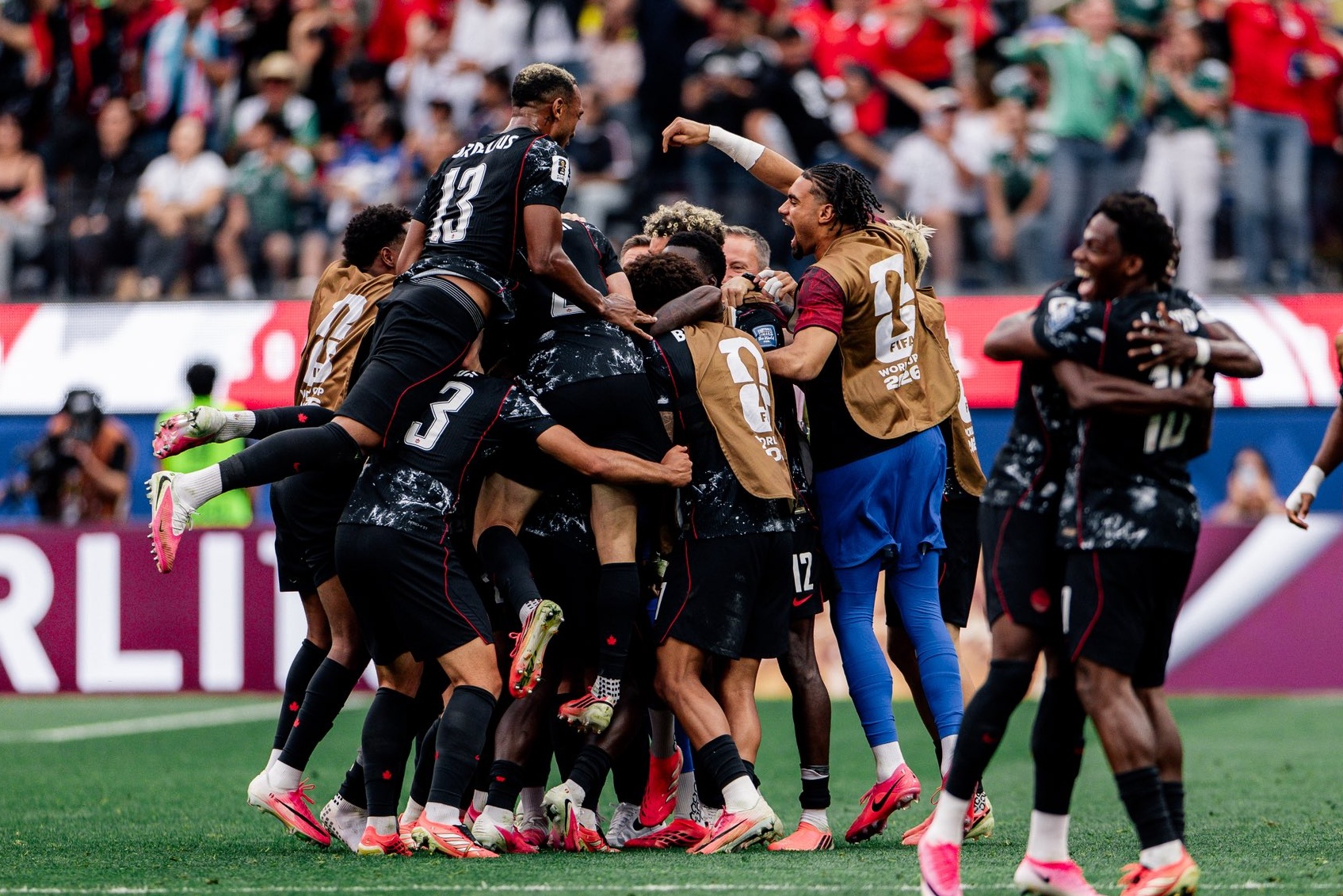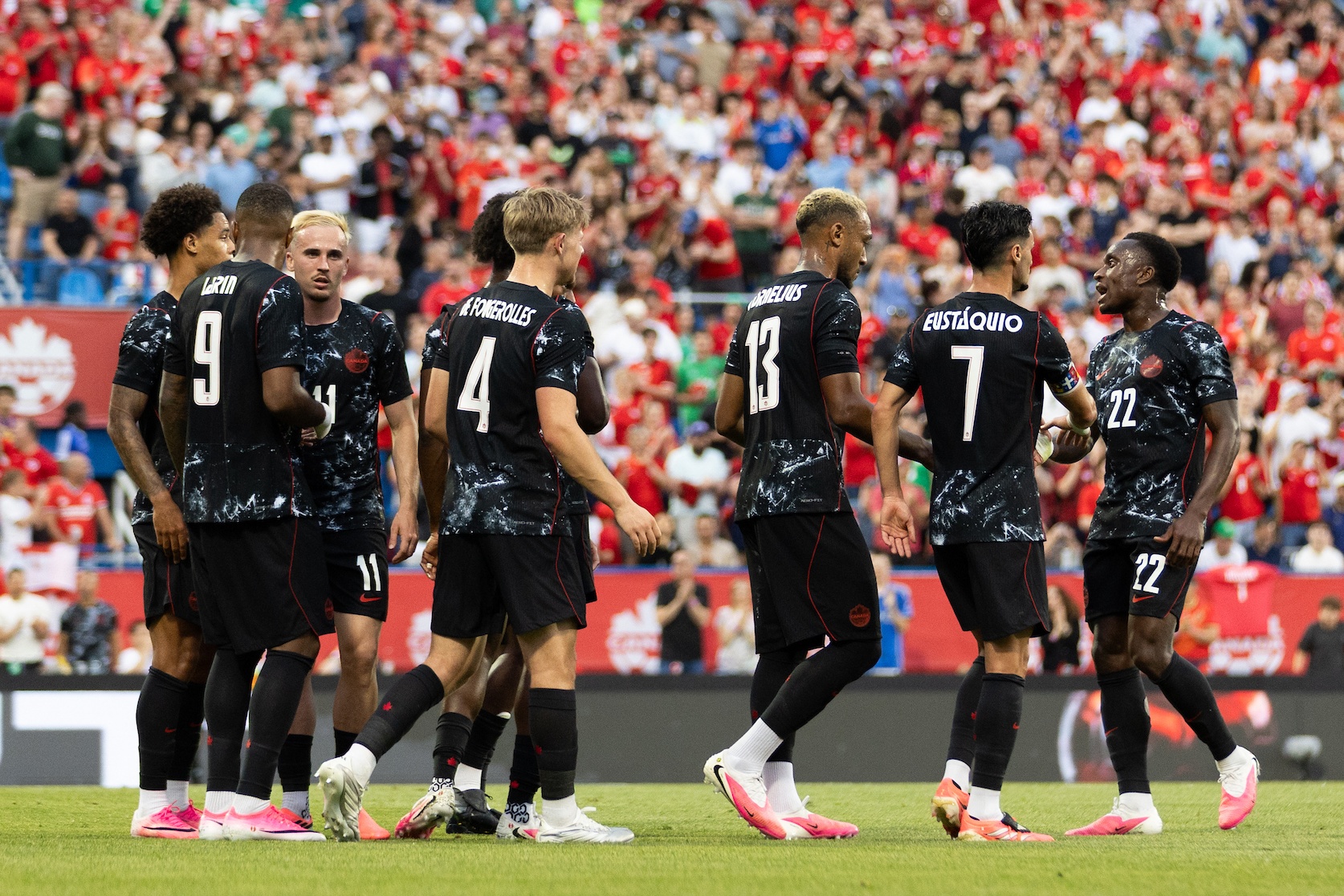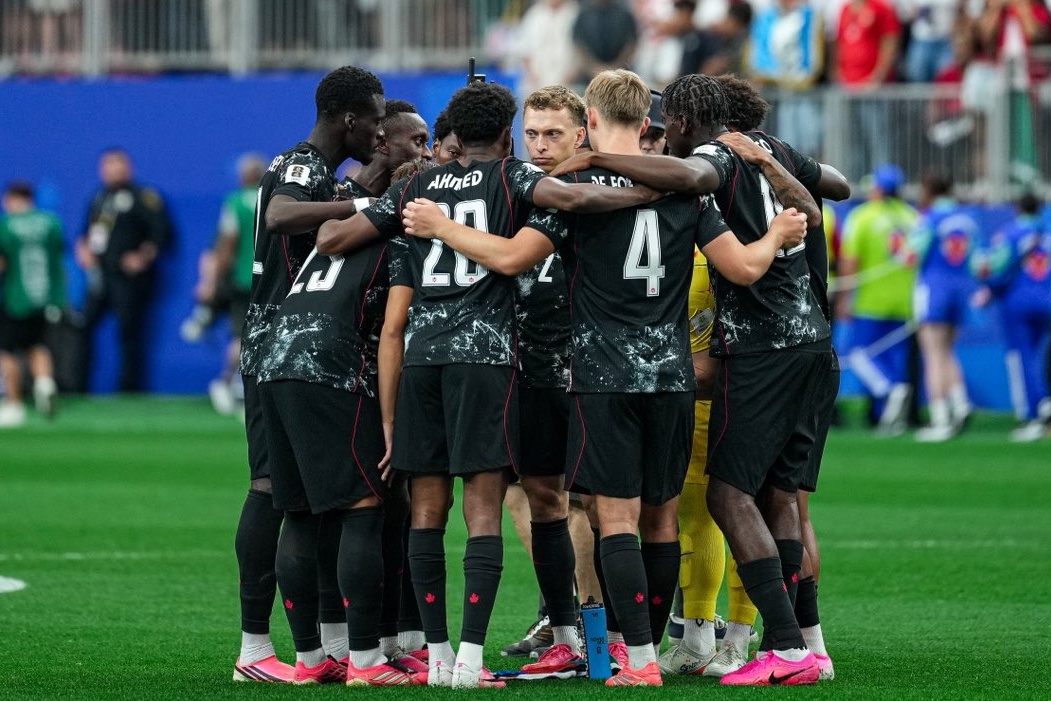


This Saturday, the Canadian Men's National Team will commence the first of their penultimate World Cup preparation matches in Toronto when they host Iceland.
For the visitors, this game is just a friendly, having finished third in Group D of the European World Cup qualifying campaign behind France and Ukraine. For Canada, this game carries more importance as they seek to build momentum into the summer tournament they will co-host, now less than 80 days away.
It has been a little more than six years since Les Rouges last faced Strákarnir okkar of Iceland during the Camp Poutine under previous manager John Herdman. In that match, held on January 15, 2020, Iceland came out victorious by a 1-0 score in a friendly held at the Orange County Great Park in Irvine, California. Canada fielded what was considered a "B" team at the time.
That starting line-up more than six years ago saw Canada field four players it could once again field on Saturday, with Maxime Crépeau, Richie Laryea, Jonathan Osorio and Kamal Miller all available. Iceland has only centre-back Daníel Grétarsson available from their starting XI that day.
HIGHLIGHTS: #CANMNT 0-1 Iceland
— Canada Soccer (@CanadaSoccerEN) January 16, 2020
The best of the action from tonight's clash in California. pic.twitter.com/v1XIQUAPqg
The European side's game-winner six years ago, an olimpico, was reminiscent of Nashville's opener on Max Crépeau, conceded this past weekend, where the Orlando City and Canada keeper appeared hesitant on a shot from distance on the wing. Aside from that, much has changed since that match.
Canada is now ranked 29th by FIFA, while Iceland, now a far cry from its golden age of the last decade when it took down England in Euro 2016 and shocked Argentina in the group stage at Russia 2018, is now ranked 74th.
With many of Iceland's familiar stars such as Alfred Finnbogasson, Hannes Halldórsson, Birkir Bjarnason and Gylfi Thor Sigurdsson long retired or a shadow of their prime, it will be an Icelandic team in transition that Canada will face.
Prominent active players missing this camp are Blackburn Rovers striker Andri Gudjohnsen and Fiorentina attacking midfielder Albert Gudmundsson. Both players were important cogs in the attack in World Cup qualifying last year.
Veterans still available from their golden age are Aron Gunnarsson, with over 400 career appearances with Coventry and Cardiff, and Gylfi Sigurdsson, who has had over 370 appearances with Tottenham, Swansea, and Everton. The latter is Iceland's all-time leading scorer with 27 goals, but is now winding down his career with local club Vikingur Reykjavik.
Iceland's most prominent current player and familiar to most Canadians is 22-year-old midfielder Hákon Haraldsson, a former teammate of Jonathan David at Lille OSC.
Injuries within the Canadian player pool have unfortunately been the big story this camp, as the World Cup looms less than three months away. Canada will make do this window without the services of Alphonso Davies, Möise Bombito, Alfie Jones, Alistair Johnston, Sam Adekugbe, Zorhan Bassong, Jacob Shaffelburg, Stephen Eustaquio and Promise David. Bombito and Johnston have been included in the camp but are strictly listed as training players and will not see match time.
Players missing through injury have also produced opportunities for others. Uncapped players who could earn their first official cap for Canada include Owen Goodman, Jahkeele Marshall-Rutty, Ralph Priso, Marcelo Flores and new senior camp invitee Aribim Pepple. Of these five players, the most likely to earn that first cap are Ralph Priso and Marcelo Flores.
Ismaël Koné is suspended for this match on account of the 60th-minute red card he was handed in the friendly with Venezuela on 18 November 2025. Ali Ahmed returns to eligibility after serving his one-game ban vs Venezuela after his own red card in the previous match against Ecuador.
Canada's management chose Iceland for this tune-up game in part because of specific challenges they felt the Nordic nation would pose for their preparations for the summer World Cup. Iceland has never been averse to defending in a low block. Thus, an opportunity for Jesse Marsch to work on the Canadian tactical approach to breaking down teams that defend deep and counter aggressively.
To succeed in this match, Canada will look to improve on three essential facets of their game. These three keys, in brief, are as follows;
- Breaking down an expected low block.
- See out the game without conceding late goals.
- Set piece efficacy.
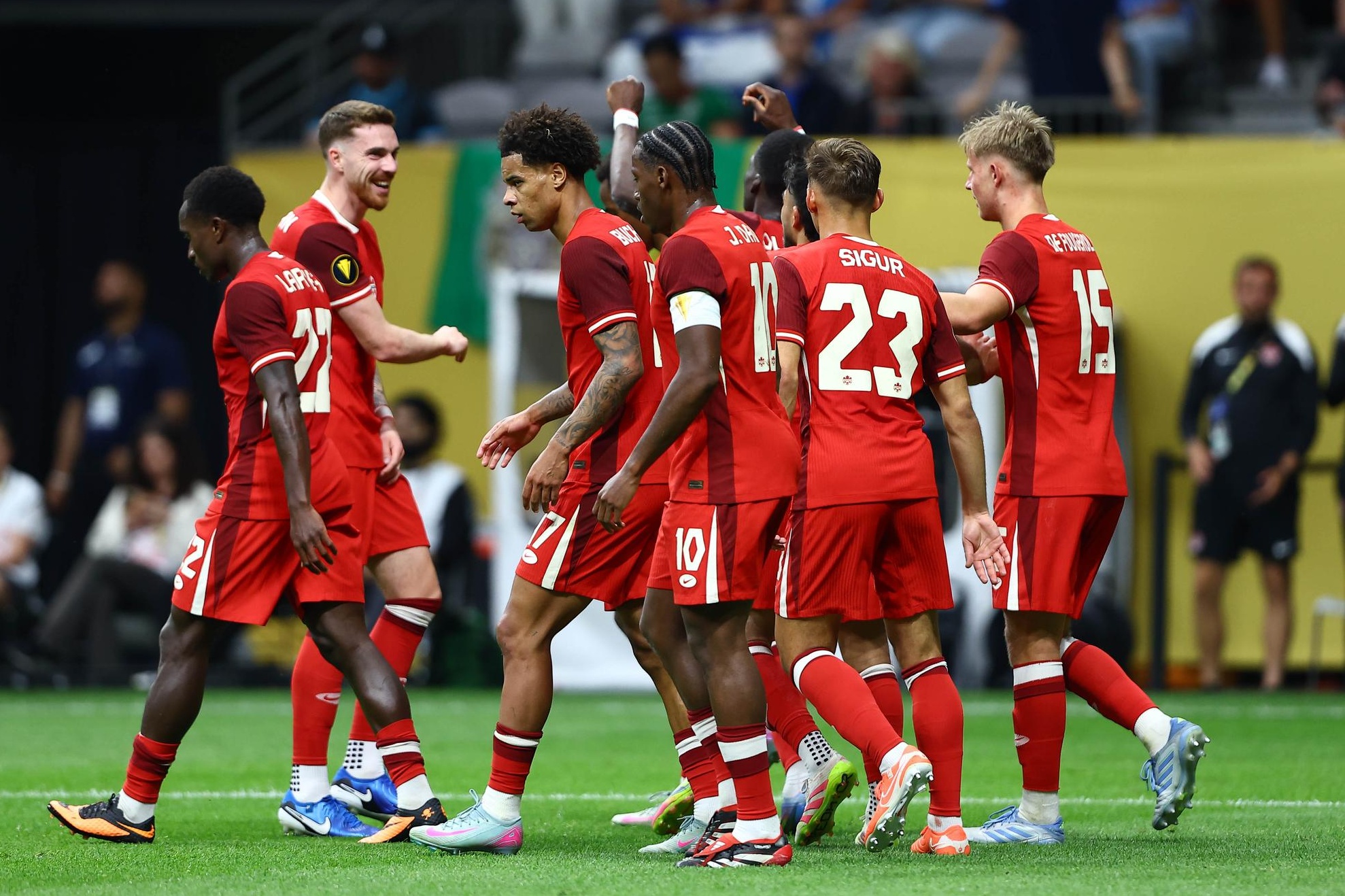
It's not a secret that Canada's game under Jesse Marsch is predicated on the Red Bull system of high pressing to recover the ball, followed by swift counterattacks utilizing the players' speed and athleticism. This has brought Canada considerable success, especially against teams willing to play a possession-based game that builds out from the back.
However, not every team will engage under such terms and will force Canada to tinker with its tactical approach. Les Rouges will need to exercise more patience on the ball to break down the expected low block they will face.
Canada is certain to have the ball more than Marsch's preferred tactics call for. It is unlikely the visitors will engage in a run-and-gun affair that allows itself to be punished by swift counterattacks. How Marsch and Canada adjust to this reality is a key to their success, not only in this game but in the summer too.
World Cup opponent Qatar is known to employ low block tactics, and Switzerland and Italy, the latter presumed to be the most likely opponent for the first Group B match as of writing, are known to situationally adopt such tactics too.
Statistically, Canada's offence has been equally proficient on both sides of the break, but defensively, it has shown a tendency to get caught out more in the second half under Marsch's term. It is no secret that Canada, under Marsch, has been dominant in the first half, outscoring opponents 17-4. The second half has been more of a mixed bag, with Canada still scoring 19 goals but giving up 18 goals as well.
The most significant issue has been the seven goals conceded from the 75th minute and beyond. Canada allowed these seven goals in six matches. Aside from Ukraine, where both goals were conceded very late in a game Canada already had in hand, the other five matches had late goals in games where the CanMNT would go on to lose four and draw one.
To be fair, this issue of conceding late goals predates Marsch's tenure, but it remains an area of the game where improvement would be most beneficial. The question for Marsch and the CanMNT is, why are such late lapses occurring? The issue often points to in-game management.
One explanation suggests player fatigue in the second frame due to the heavy demands of the pressing tactics. Firstly, this begs the question of how the pressing game is applied. Does Canada need to apply an intense high press for 90 minutes, or might some variation keep players fresher, and keep opponents tactically off-balance?
Secondly, but directly related to this, is the question of substitutions, not just in terms of personnel but also in terms of timing. How is Marsch adapting to the changing demands of the game as it progresses? Can Canada better adapt to such changes mid-game? How impactful are the substitutes entering the match? Are they being made at the moment where they best impact the game, or are changes being made reactionary and too late?
Get these right, and nobody notices, but when they appear wrong, it is hard to hide. The essence of these questions generally lies in how Jesse Marsch applies in-game tactical adjustments.
The final key to the Iceland game, and beyond, continues to be set-piece efficacy. In the Jesse Marsch era, Canada has only surrendered two set-piece goals in 28 matches: Uruguay's Rodrigo Bentancur's goal off a corner in the 2024 Copa America third-place match, and Raul Jimenez's second goal from a free kick in the 2025 Nations League semi-final.
Defending set pieces under Marsch has improved from the Herdman era. However, getting offensive contributions remained stagnant. That is, until Jesse Marsch brought set-piece specialist coach Nicolas Gagnon aboard in May 2025. Since then, Canada has scored five goals in 13 matches. This, too, has coincided with an uptick in Canada's offence, with 22 goals scored over this period.
Facing a stingy opponent in open play, as Iceland is expected to present, scoring a goal from a set piece could prove a difference maker — It could be the difference in the tougher World Cup matches to come this summer.
In their last four matches, Iceland has set up in four different formations, but aside from their match with Mexico, where they employed domestic-based players only, they have consistently deployed four defenders at the back, often in a 4-3-3 with a tendency to tuck into a 4-5-1 out of possession.
Canada, as per usual under Marsch, is expected to trot out a 4-4-2. The question all week was who would be between the sticks. The pattern of late had seen Maxime Crépeau play the nominally weaker opponent in a given window, in this case, Iceland. However, Crépeau, since arriving late to camp, only had his first full training session on Thursday, so the assignment on Saturday now falls to Dayne St. Clair.
Luc de Fougerolles may also be a game-time decision for Saturday as he recovers from a minor ankle knock he suffered with Dender a couple of weeks ago.
Projected XIs
Iceland (4-3-3): Elías Ólafsson; Logi Tómasson, Daníel Grétarsson, Sverrir Ingason, Victor Pálsson; Mikael Ellertsson, Ísak Jóhannesson, Hákon Haraldsson; Jón Thorsteinsson, Orri Óskarsson, Brynjólfur Willumsson
Canada (4-4-2): Dayne St. Clair; Richie Laryea, Derek Cornelius, Joel Waterman, Nico Sigur; Ali Ahmed, Mathieu Choinière, Nathan Saliba, Tajon Buchanan; Jonathan David, Cyle Larin
Game information and how to watch
📆 Saturday, March 28, 2026
⏰ 1:00 pm ET / 10:00 am PT
📺 OneSoccer, TSN, RDS, FuboTV, Telus Optik TV Ch. 980
👤 TBA
🏟 BMO Field, Toronto, Canada