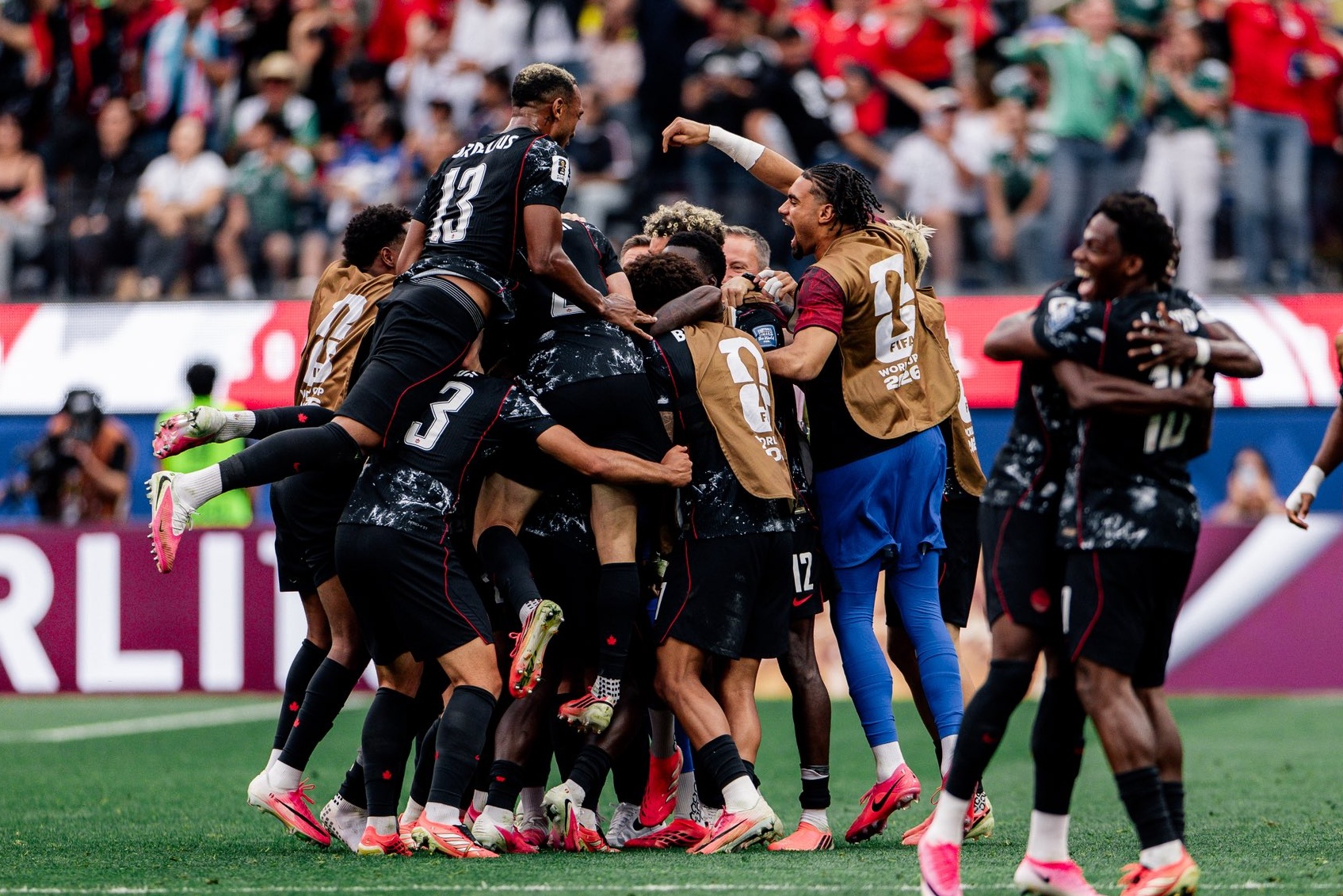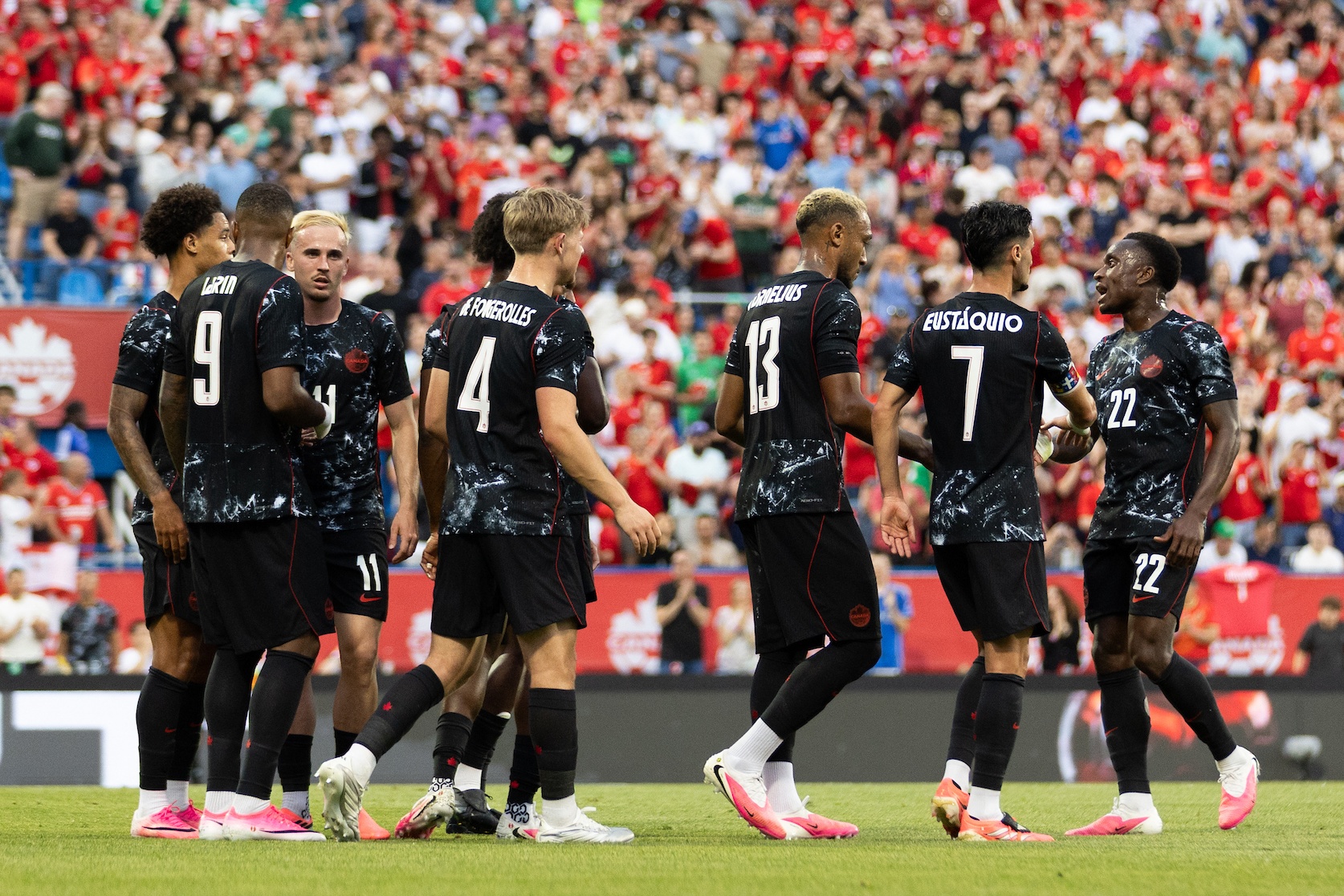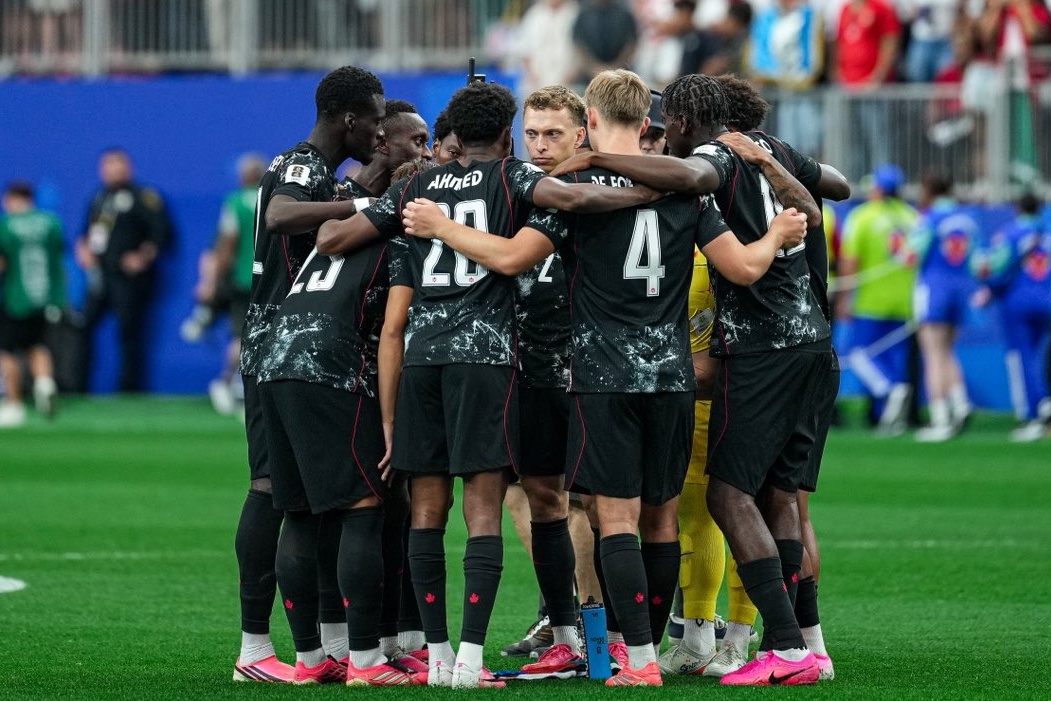
Canada's March friendlies against Tunisia and Iceland mark the final chance for the squad to make its mark before June comes around.
Not everyone is available for these key tune-up friendlies, however. Alphonso Davies, Moïse Bombito, Alistair Johnston, Alfie Jones, Stephen Eustáquio, and Promise David are all ruled out through injury, while Luc de Fougerolles and Derek Cornelius are both working their way back to fitness and are unlikely to be fully sharp.
With Jesse Marsch calling 28 players into camp, there are opportunities for several players to make a lasting impression and stake their claim for a place in the World Cup squad. For the more established names, the focus shifts to proving why they deserve to start come June.
So, that begs the question. What constitutes a successful March window for the Canadian men's national team?
Iron out the starting goalkeeper
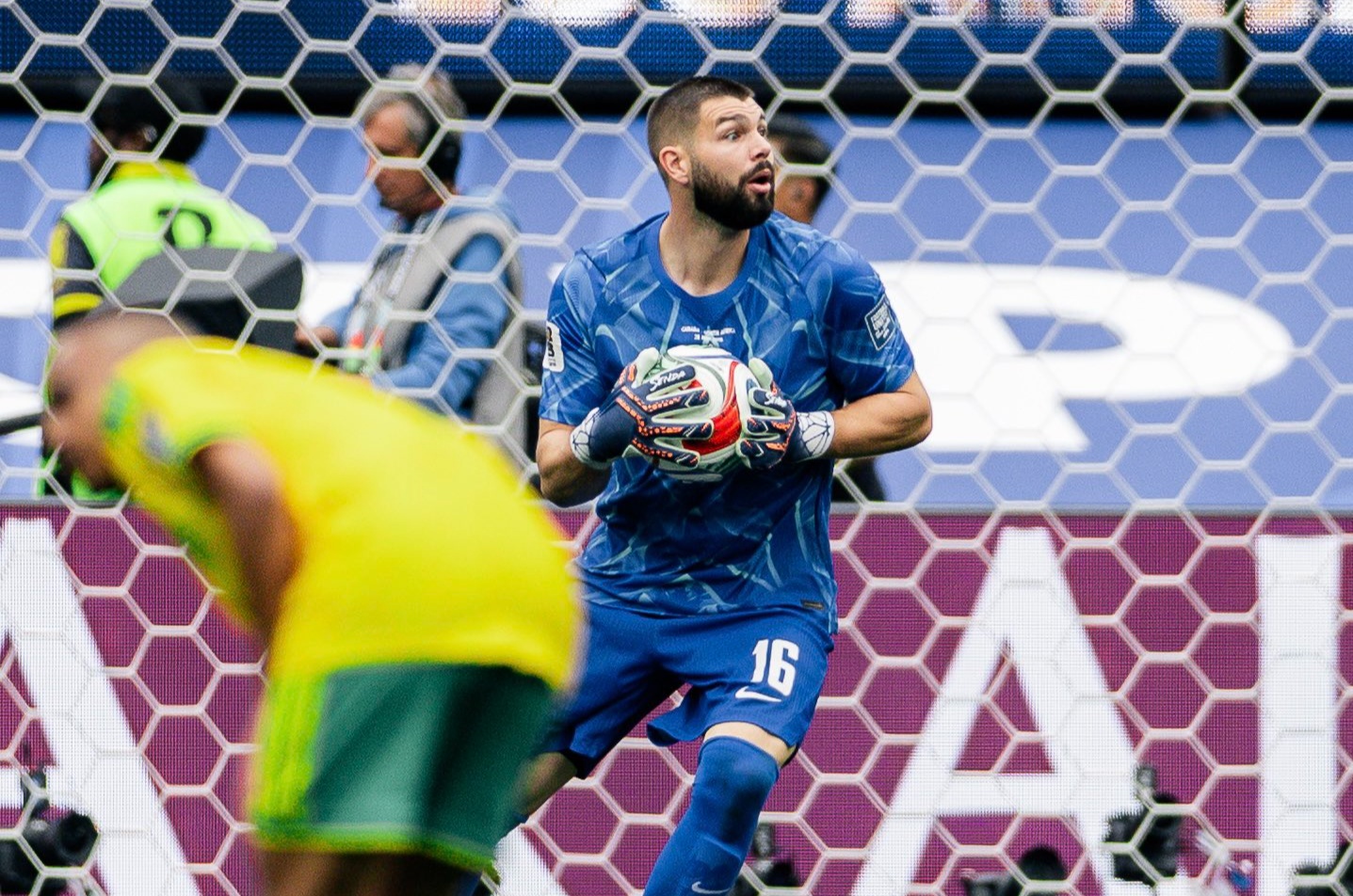
Dayne St. Clair and Maxime Crépeau split starts in Canada's six matches last fall, and are expected to do so again in March.
The internal competition is great, but it's time to nail down a World Cup starter.
Typically, club form could give us a hint at who's in the lead. But both goalkeepers have struggled at the start of the 2026 MLS season since moving to Florida-based clubs.
St. Clair, the reigning MLS goalkeeper of the year, has had issues adapting to a different goalkeeping role at Inter Miami than he was playing at Minnesota United.
Where his previous role required little more than shot-stopping and claiming crosses behind a side that sat deep and absorbed pressure, his responsibilities are now considerably more complex.
Miami plays a much higher line and is significantly less organized defensively than Minnesota was. This leads to more scrambles at the back and more balls in behind the back line that St. Clair needs to come out and deal with. He has shown struggles in that department over the first month of the season.
The high line is similar to how Canada plays, and there have been moments under Marsch where St. Clair has also had issues in scrambles and with balls in behind, but typically, the recovery pace of Canada's defenders makes it so those moments are fizzled out much more easily.
On the other hand, Crépeau has had a tough time behind a disastrous start for Orlando City, but hasn't exactly covered himself in glory either.
After losing his starting job in Portland to James Pantemis, Crépeau made the move to Orlando over the winter, a club that had been a consistent playoff team in MLS for the entirety of the 2020s, and one that needed a new starting keeper with the departure of longtime stalwart Pedro Gallese.
But it hasn't gone to plan for either party thus far. Injuries to key defensive starters, including captain Robin Jansson at centre-back and Wilder Cartagena at defensive midfield, have left massive holes in the side to start the season.
Through the opening five weeks, Orlando has allowed the second-most xG in MLS (14.0) and has also conceded the most goals in the league (17).
So, while it's certainly not all on the Canadian goalkeeper, he hasn't been the answer either. Add in some very tough individual moments, such as his red card against NYCFC for handling the ball outside the 18-yard box, or a couple of goals he'd certainly want back in the loss against Miami in the Florida derby.
The nice part about international play, though, is that it's a fresh slate for both of these goalkeepers. One of them will need to have a big performance in their game and carry that momentum back into the MLS season to show why they should be the starter on June 12.
Scoring in bunches
One of the biggest problem points for the CanMNT under Marsch has been the ability to consistently score goals, particularly against lower blocks and set defences.
This has haunted the team in some big games (Mexico in the Nations League semifinal, Guatemala in the Gold Cup quarterfinal). It also wasn't something that seemed to improve in the fall friendlies, where the team scored just six goals in six games, with three of those coming against Romania in September.
For the window to be considered a success, Canada will need goals and consistent patterns of play that generate high-danger chances.
The need for goals is compounded by the form of some of Canada's key strikers. After a productive January, Jonathan David has cooled considerably at Juventus, going without a goal since February 1. Tani Oluwaseyi, meanwhile, has seen his minutes at Villarreal dwindle as Gerard Moreno has returned to fitness, leaving the centre forward options looking crowded.
With Promise David undergoing surgery and racing to be fit in time for the tournament, the only regular striker in genuinely good form is Cyle Larin, whose place in the squad had seemed increasingly uncertain as 2025 wore on.
But a January move to Southampton has seen the veteran in his best form in years, scoring four goals and adding an assist in his first 11 appearances with the club, including some crucial contributions in the past couple of weeks.
The three of Jonathan David, Larin and Oluwaseyi are all World Cup locks, but if Canada is going to make some noise, they'll need to score goals.
March presents an opportunity to put the ball in the back of the net, find ways to score consistently, whether that's through pressing teams up the field and forcing turnovers, or creating more chances with possession.
The goal should be about five goals across the two games, with strikers from the three aforementioned, to hopefuls like Jacen Russell-Rowe and newcomer Aribim Pepple, to the midfielders and wingers, to find the net this month.
The breakout of a playmaker
Junior Hoilett has been Canada's only true creative hub for years. While the national team has produced plenty of useful players across the pitch over the past decade, the one elusive role has been that of a genuine playmaker, someone capable of creating something out of nothing and producing that final ball, particularly against a low block.
Hoilett has long been the only one to provide that spark, but at 35 and playing in the fourth tier of English football, it is time for someone else to take on that mantle.
Enter Marcelo Flores.
The Tigres attacker, in his first official Canada camp since making the one-time switch from Mexico last month, has that ability to generate chances that the pool so desperately needs.
While he doesn't generate chances in the way Hoilett does, with pinpoint passing and a want of a left foot for deliveries, he's a more direct dribbler that can beat a man and then set up a teammate, or create chances for himself to score.
The question marks rise over two things. First, can he satisfy Jesse Marsch by doing his defensive grunt work off the ball? Second, can he show his abilities on the pitch in these two friendlies in a way that proves to the coaching staff he must be on the roster in June, despite not being an everyday player for Tigres?
For it to really be a successful March camp, Flores will show himself well in both of these areas. It's unlikely he'll be a starter for Canada in 2026, but having an option who can come off the bench and be an offensive game-changer, either on the wing or in the number 10 role, could be imperative for Canada.
Marcelo Flores needs to prove this month why he should be that guy at the World Cup.
The Men's National Team return to action on Saturday, March 28, against Iceland at BMO Field, with kickoff at 1:00 pm ET / 10:00 am PT, before facing Tunisia on Tuesday at 7:30 pm ET / 4:30 pm PT.