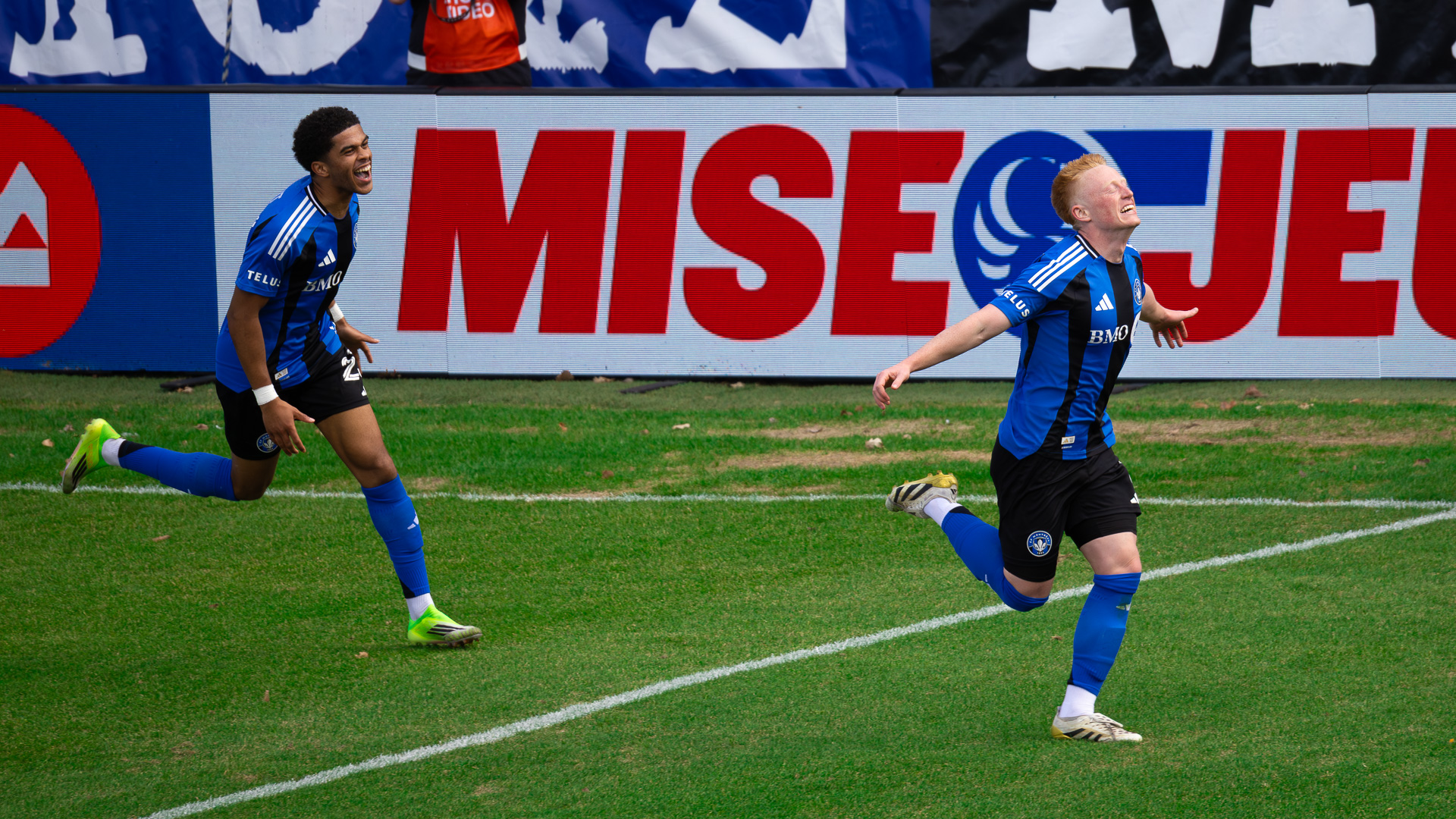
Goals were plentiful for the Canadian MLS sides in the eighth weekend of MLS action, with 10 goals being scored in total.
The season will cross the quarter mark when teams play their ninth game, either in midweek, where only Toronto plays out of the Canadian teams, or next weekend for Vancouver and Montréal.
For two out of three sides, it was utter domination and a very positive weekend. Toronto didn’t have its worst performance ever, but it will think it was two points dropped at home yet again. We’ll focus on them first.
Development
To start, we have to question the developmental plan of Lazar Stefanovic. The 19-year-old centre back is likely the fifth-choice option when everyone is healthy, and only 34 MLS Next Pro appearances and 21 first-team appearances (with only six starts) under his belt.
On Saturday against Austin, Toronto was down three of its first four choices at centre half, with Walker Zimmerman, Benjamín Kuscevic and Nicksoen Gomis all missing out due to injury.
So, you’d think Stefanovic is in for a start alongside Zane Monlouis, considering that’s his natural position and the club has chosen to keep him around for the first team. That did not happen.
Instead, they started in a rather strange 3-4-3 or 3-4-1-2 look with Alonso Coello as the middle centre back as almost a sweeper, with Richie Laryea on the right and Monlouis on the left. This look seemed to be set up to draw in the Austin press in order to pull them out of their shape and create downhill attacks, which isn’t a totally insane tactical idea, especially when you have a bunch of natural ball players at the back.
However, this didn’t really work. Toronto found more success when going direct, and they struggled to really break through the press when building out of the back. So, in about the 35th minute, the formation shifted to more of a traditional 4-3-3.
Coello stepped up to his natural holding midfield spot, Laryea played as a more traditional centre back in a back two (emergency centre back is not his best spot, but he makes it work), and Raheem Edwards and Kobe Franklin went from wing backs to full backs.
This solidified the group a bit and helped cause the 1-1 goal from Dániel Sallói in the 52nd minute.
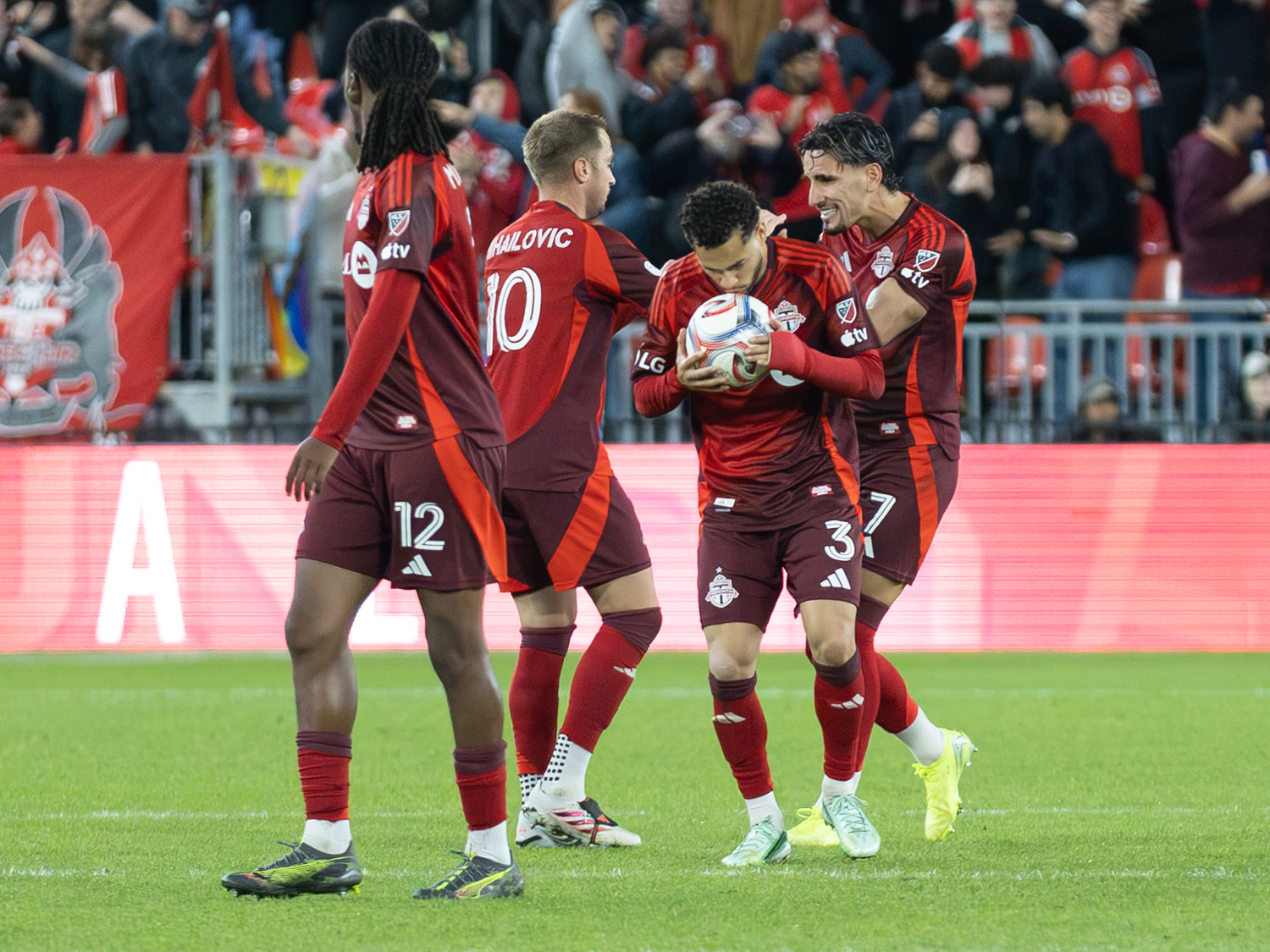
But, back to Stefanovic. Edwards was substituted for the young centre back in the 62nd minute, which pushed Laryea out to left back. It paid immediate dividends offensively, as it let the international full back go back to a more natural position, as Laryea scored the 2-1 goal just five minutes after the change.
But then came the issues defensively. Austin threw Christian Ramirez, an experienced, big striker, into the fold, and he caused tons of problems for the young duo at the back for Toronto. His positioning forced Stefanovic to step back off his line on the 2-2 goal, and then he got himself in between the two centre backs, capitalizing on a bad bounce off Monlouis to score the 3-2 goal.
And really, Stefanovic couldn’t handle a typical, average MLS centre forward. That’s alright, especially at his age. But why is he still around right now, then? He clearly needs more minutes and experience against professionals to develop his own game, as does almost every young defender.
To get back to the long-winded point about development, surely a CPL loan this season would’ve been better for his development than sitting on the bench for the MLS club. Surely, a Pacific, Halifax, Vancouver, or even an Ottawa or Inter Toronto would have room for a 19-year-old Canadian youth international centre back on loan for a year.
Instead, he’s stuck in purgatory, unable to get the game time needed to develop as a player while not looking ready in the minutes he does get. Decisions like this are plentiful for Toronto FC’s talented academy prospects, and just looking at the names that have passed through and not hit their potential at TFC, you wonder if there really is a plan to develop anyone.
Positive momentum
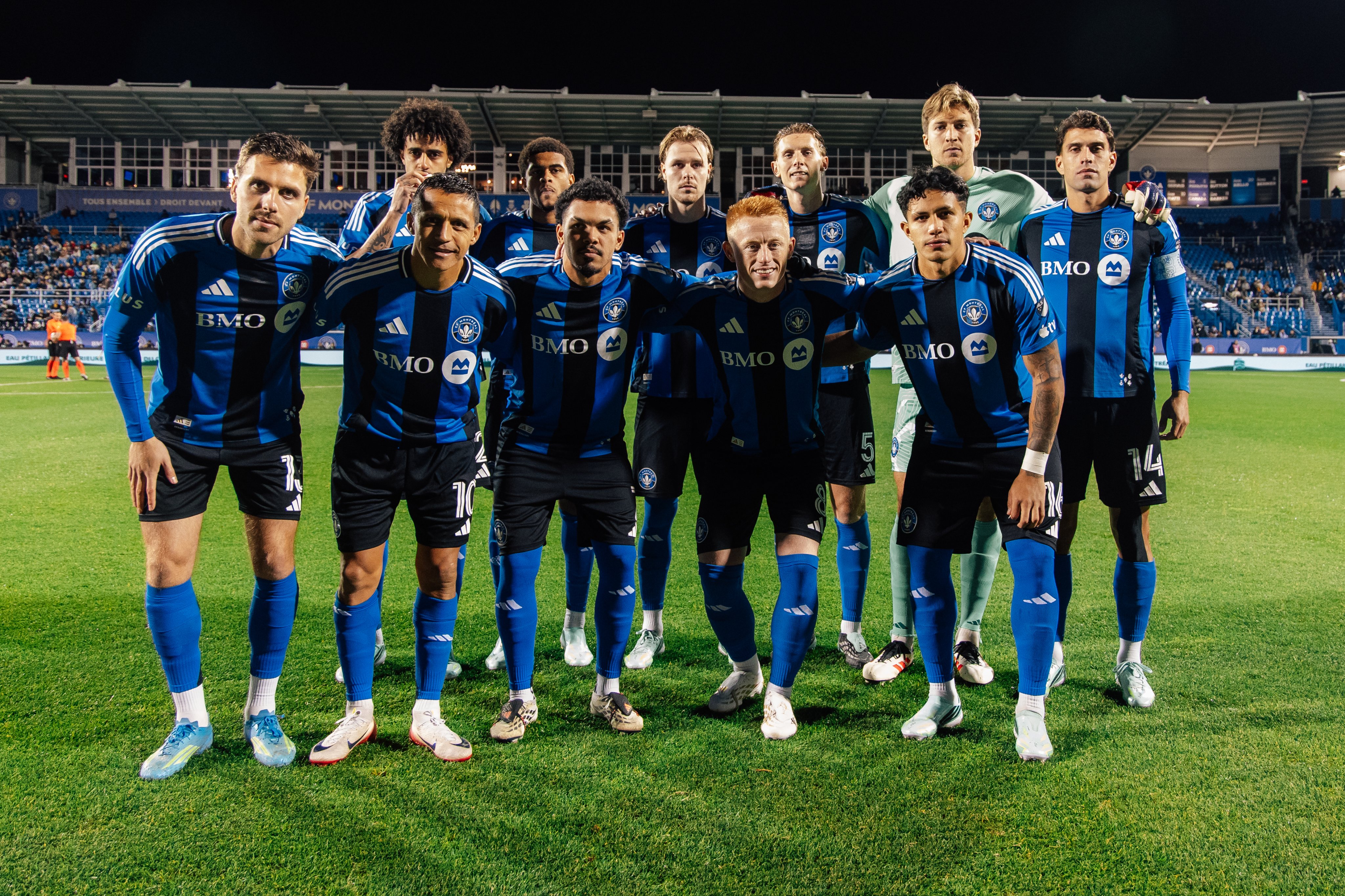
CF Montréal needed something to go their way after last week, and they clearly loved seeing Red Bull New York show up on the schedule for the second time this season.
While the principles and setup were a bit different, the results ended up being the same. As new interim boss Philippe Eullaffroy suggested to the press earlier in the week, the man marking systems now-departed head coach Marco Donadel was running were gone, and they sat in a pretty standard 4-3-3 mid-block, a fairly popular formation across MLS.
But, just like the matchday three victory at Sports Illustrated Stadium, Montréal capitalized on Red Bull turnovers, and went fast in transition, using the speed, power and strong transitional decision making of Prince Owusu to get in behind New York’s very high back line.
While they would’ve taken any positive result, a big win is exactly what was needed for the Impact. The question now will be carrying that positive momentum forward, something that has not happened this season.
They’ll be in for a different test next weekend against NYCFC, a team that will be less prone to giving the ball away with a high line, and one that will likely be more stingy and secure in midfield. We’ll see if Eullaffroy’s men are ready to start a win streak to save the season.
First against last
It’s probably a bit too early for a first against last game to be a true sort of trap game, but sometimes it can be tricky, and you can let your guard down when the bottom teams come to town.
That was absolutely not the case for the Whitecaps on a rare Friday night MLS game, as they absolutely buried poor SKC in the first half hour, and then coasted the rest of the game.
It probably helps that Kansas City is not a normal bad team. By the numbers, they’re beginning to look like one of the worst in MLS history, and without a couple of moments of individual magic from Dejan Joveljić earlier in the season, they would not have any points to show for.
The first half stats paint enough of a picture of how this game went. The Whitecaps had 16 shots, four on target for 2.27 expected goals, alongside seven big chances and 31 touches in the opposition box. Sporting had exactly zero in every single category.
They really could barely even get possession in the attacking half of Vancouver, save for maybe two instances where they drew a free kick early on, and another just after the half-hour mark. Otherwise, the game was played completely inside the SKC half, whether it was Vancouver pressing to win the ball back, or creating chance after chance against a struggling defence.
The second half ended up being more of a slogfest, but that’s to be expected when the game had essentially already been decided. Sometimes, you could call something like this a trap game, a bad team coming in with no expectations that you might let your guard down.
The Whitecaps took care of business, but Kansas City wasn't even a mousetrap on Friday.