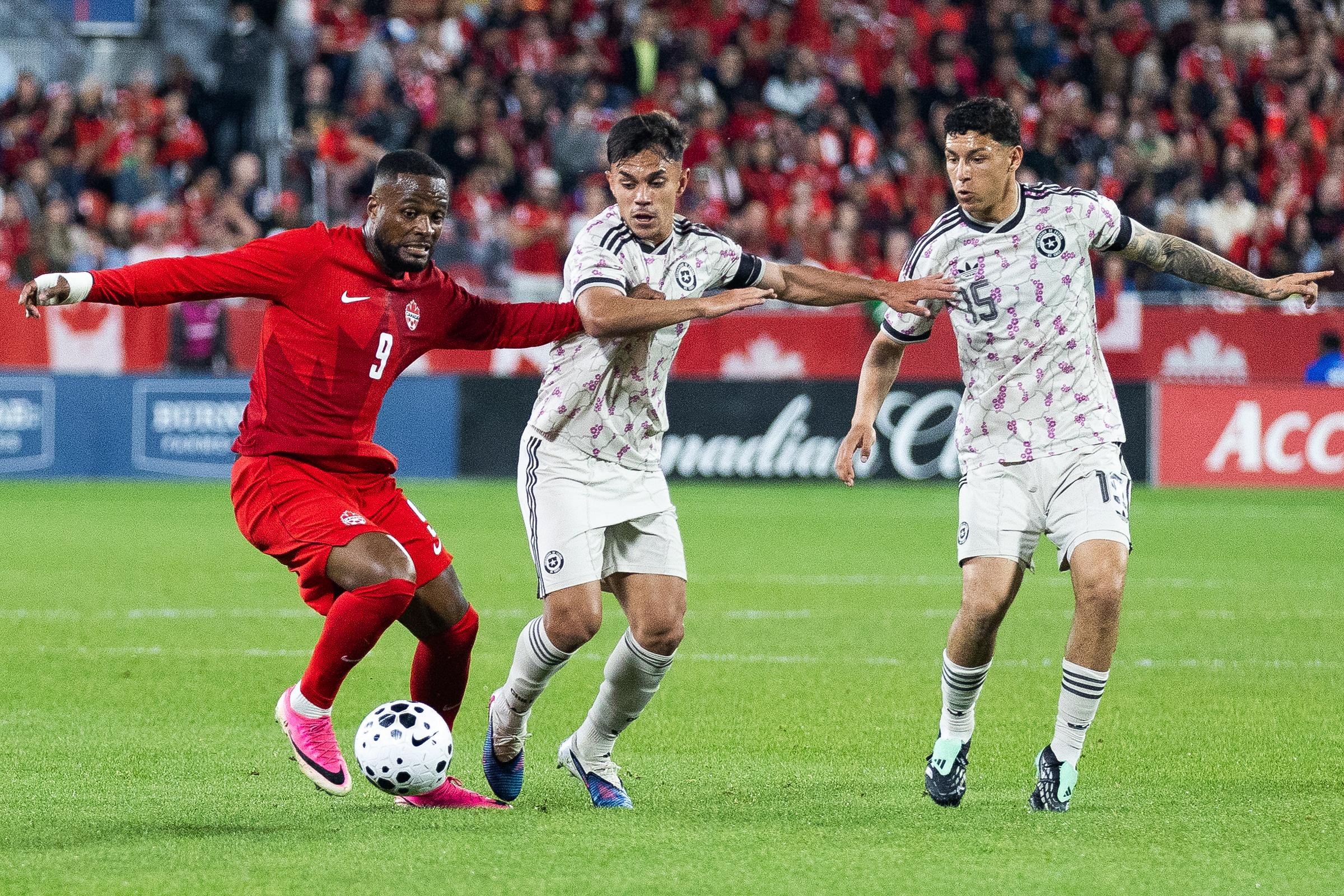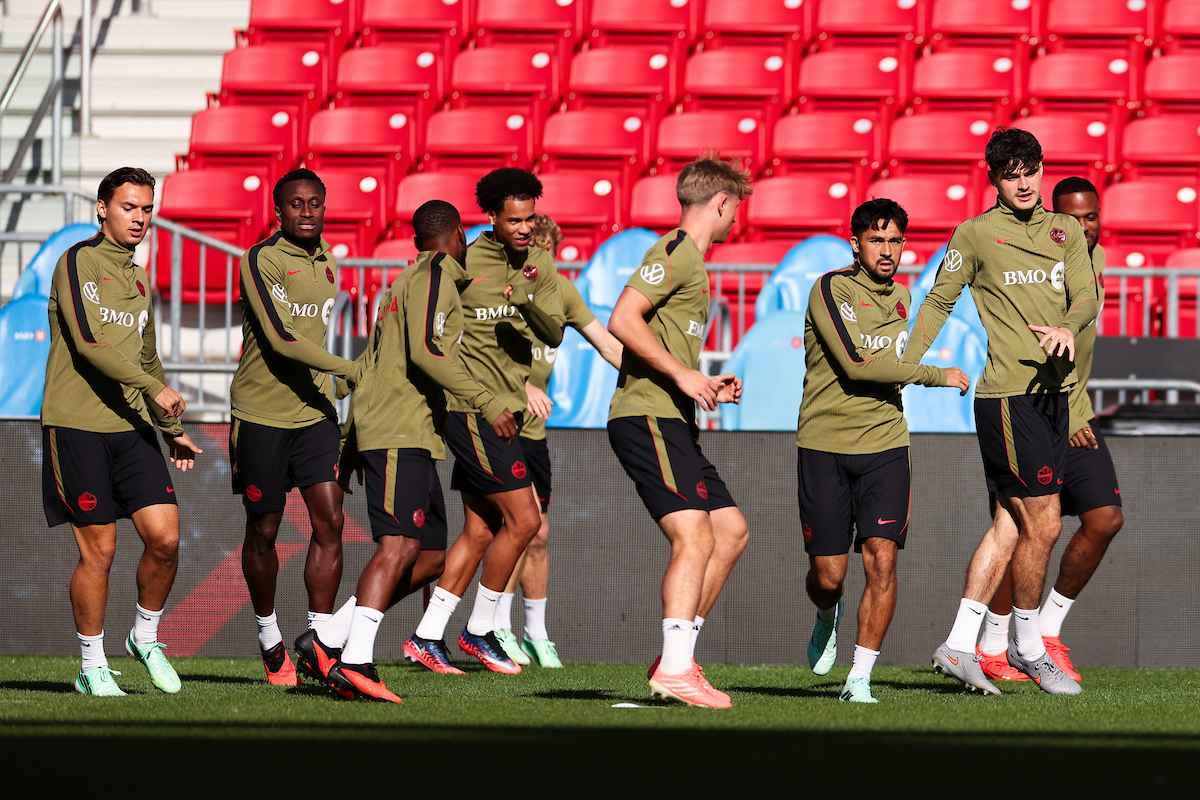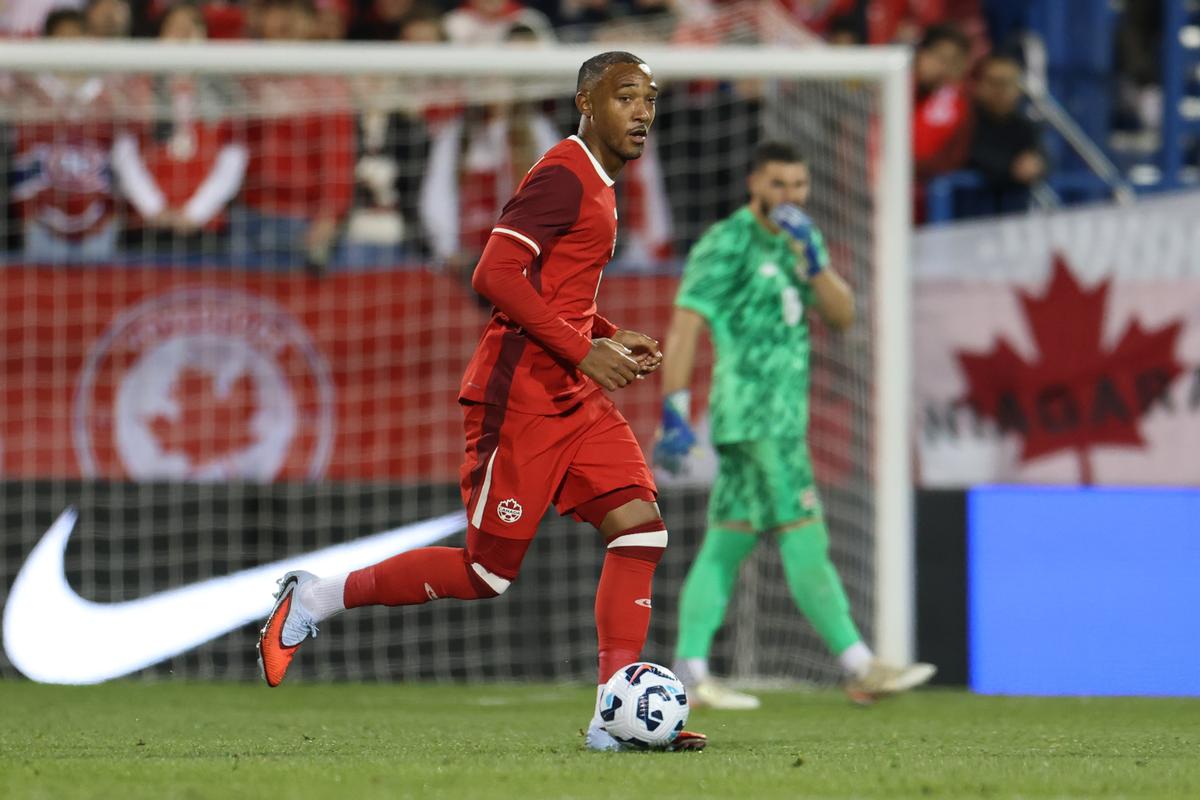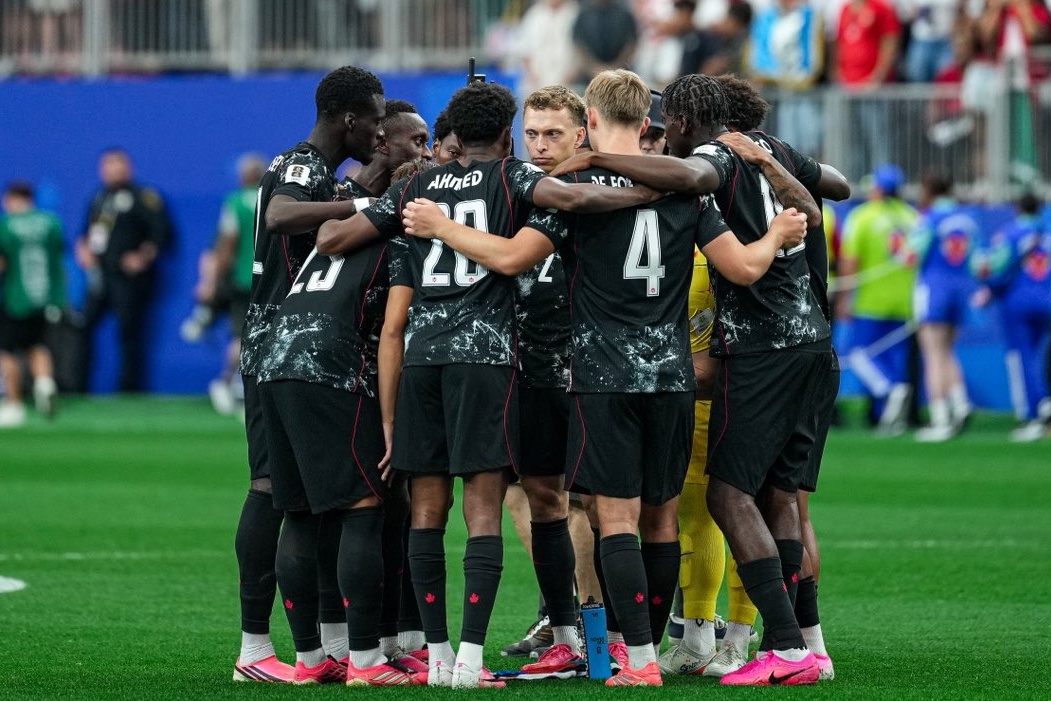


Canada's fairytale run at the 2026 World Cup has come to an end. Les Rouges captured the heart of a nation, producing a historic tournament that has further elevated the profile of soccer in Canada for generations to come. Winning a FIFA World Cup match, reaching the Round of 32, and advancing to the Round of 16 marked the country's best-ever World Cup performance and provided Canadian supporters with memories that will last a lifetime.
However, all good things must come to an end, and a nation like Canada unfortunately is just not ready to be a true World Cup contender. Saturday's performance against Morocco showed that. While there is plenty to celebrate, Canada's tournament ended on a disappointing note. A flat 3-0 defeat to Morocco exposed several shortcomings and left many fans wondering what might have been. Here are some key talking points from Canada's Round of 16 exit.
Jesse Marsch's men played arguably their best football ever during the opening half. Canada pressed hard but intelligently, leaving the Moroccan side stunned and searching for answers on how to break down Les Rouges. When Canada got on the ball, they were precise and deliberate with their passing, creating chances and looking like the more dangerous team. Their best opportunity came in the 11th minute, when Tani Oluwaseyi, with his back to goal and a defender on him, made an exceptional turn to free himself before striking the ball low and hard, forcing an excellent save from Montreal-born Moroccan goalkeeper Yassine Bounou. Canada's high intensity disrupted Morocco's rhythm, while players such as Jonathan David and Stephen Eustáquio consistently looked to create attacking opportunities. Although the teams went into halftime scoreless, Marsch's game plan appeared to be working brilliantly, as Canada looked poised to pull off one of the biggest upsets of the tournament.
However, the match changed drastically after the halftime break. Mohamad Ouahbi adjusted his formation and tactics, as his side became more composed and comfortable on the ball, slowing the game down and forcing Canada to chase. Canada came out for the second half determined to stick with its first-half approach, but Morocco's dominance of possession and ability to take the sting out of the match resulted in Canada committing more fouls and being forced to defend dangerous set pieces. This ultimately led to the opening goal, as a cleverly worked free kick allowed Azzedine Ounahi to unleash a powerful strike from just outside the penalty area. The low shot travelled through traffic toward the goalkeeper's left. Maxime Crépeau desperately got a glove to it, but the strike was perfectly placed and found the back of the net. The goal shifted momentum firmly in Morocco's favour as they grew increasingly comfortable in possession and dangerous in attack.
Canada looked desperate to find an equalizer, but poor game management from Marsch allowed Morocco to continue controlling the match. Canada made an attacking substitution in the 63rd minute, bringing on Cyle Larin for Oluwaseyi, but the 31-year-old striker made little impact as Canada struggled to get on the front foot and provide him with service. Marsch finally made another meaningful change in the 78th minute, replacing Richie Laryea and Ali Ahmed with Promise David and Jacob Shaffelburg. The pair injected much-needed energy into Les Rouges and helped create several promising chances, but an increasingly fatigued Canadian side was unable to capitalize. Ounahi struck again in the 82nd minute after a swift counterattack, beating Crépeau from close range and roofing his shot into the top-left corner. The goal left Canada with an enormous mountain to climb. Further attacking substitutions in the form of Jayden Nelson and Jonathan Osorio in the 87th and 88th minutes appeared to be a last-ditch attempt to force extra time, but a stoppage-time goal from Moroccan substitute Soufiane Rahimi sealed Morocco's place in the quarter-finals.
Controversy followed after Marsch insisted in his post-match comments that Canada had been the better team throughout the entire match. That argument held weight in the opening 45 minutes, but his reluctance to adjust his tactics and the timing of his substitutions ultimately told a different story. Another major talking point was captain Alphonso Davies not seeing any game time after suffering a hamstring knock that kept him on the bench. It was undoubtedly a difficult decision for Davies to stay out of the match, and there was likely pressure from Bayern Munich not to risk him if he was not fully fit, especially following the signing of Nathaniel Brown. Still, having Davies available could have provided the spark Canada needed.
Looking ahead, Canada will aim to build on the success of this year's World Cup and continue establishing itself as a top footballing nation. One thing is certain: Canada has earned the respect of the football world and is increasingly being recognized as one of the top 30 national teams. Both the men's and women's national teams have the full backing of the country. Time will tell how far that support can carry them.
Onwards to 2030!